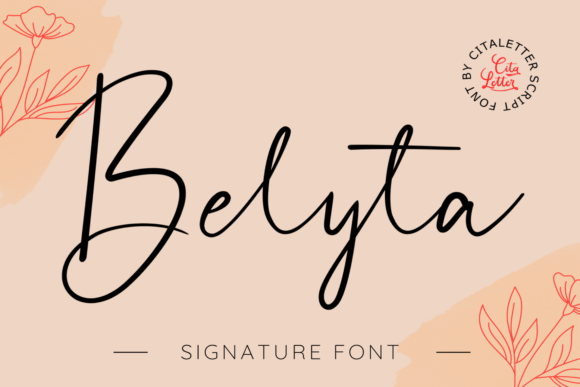
Belyta Font: A Romantic Script for Modern Design
Imagine a typeface that captures the effortless flow of a handwritten note, instantly infusing your design with warmth and personality. That's precisely the charm of Belyta, a relaxed and cursive handwritten font that has become a go-to resource for designers seeking to add a touch of romantic elegance to their work. This versatile script font offers a wide spectrum of applications, proving its value far beyond simple decoration.
Why Belyta Matters in Visual Communication
In a digital landscape saturated with clean, geometric sans-serifs, a font like Belyta provides a crucial counterbalance. It introduces human touch and emotional resonance, elements that are vital for effective visual communication. The flowing letterforms and subtle imperfections mimic authentic handwriting, which can significantly enhance user engagement by creating a more personal and relatable connection. For brands, this translates into a stronger, more approachable brand identity that stands out in a crowded market.
Its design supports a modern aesthetic that values authenticity and crafted detail. When used thoughtfully, Belyta doesn't just convey words; it conveys feeling, setting the tone for the entire creative project.
Practical Applications for Creative Professionals
The true strength of Belyta lies in its adaptability. It can seamlessly integrate into various design workflows, elevating the quality and impact of numerous assets. Here are some key areas where this font excels:
- Branding and Logo Design: Perfect for creating distinctive logotypes, especially for businesses in the lifestyle, beauty, wedding, or artisanal food sectors. It adds a bespoke, crafted quality to a brand's core visual identity.
- Marketing Materials: From greeting cards and invitations to brochure headings and promotional flyers, Belyta adds an elegant, personal touch that captures attention and improves the presentation of your message.
- Social Media Graphics: Ideal for Instagram stories, quote graphics, and post overlays. Its readability at various sizes makes it a powerful tool for creating engaging social media content that feels authentic and stylish.
- Web and UI Design: Use it sparingly for impactful elements like hero section headings, call-to-action buttons, or feature highlights to break the monotony of body text and guide the user's eye.
- Editorial and Packaging Design: In magazine layouts, book covers, or product packaging, it can serve as a striking headline font that draws readers in and communicates a specific mood or quality.
Integrating Belyta into Your Design Workflow
Choosing a font is just the first step. To maximize its impact, consider these practical tips for evaluation and implementation:
- Prioritize Readability and Scalability: While beautiful, script fonts can be challenging to read in long paragraphs or at very small sizes. Test Belyta thoroughly for your intended use, whether it's a large headline or a small caption.
- Establish Visual Hierarchy: Pair Belyta with a clean, neutral sans-serif or serif font for body text. This contrast creates a clear and effective visual hierarchy, ensuring your design is both beautiful and functional.
- Consider Your Audience: The romantic, handwritten style aligns perfectly with certain audiences and industries. Ensure it matches the expectations and preferences of your target demographic to strengthen your brand communication.
- Maintain Consistency: Once incorporated into a brand system, use Belyta consistently across all touchpoints to build recognition and cohesion. Document its usage in your style guide, specifying appropriate sizes, colors, and contexts.
Ultimately, the font you choose is a fundamental building block of your project's visual language. It influences mood, directs attention, and shapes perception. A thoughtful selection like Belyta demonstrates an understanding of how typography and color palette work together to create a polished, professional result. By investing in high-quality creative assets that align with your design goals, you empower yourself to craft more compelling narratives, build stronger connections, and achieve a higher standard of visual excellence in every project you undertake.