Mint Condition: Elevating Design with Authentic Script Typography
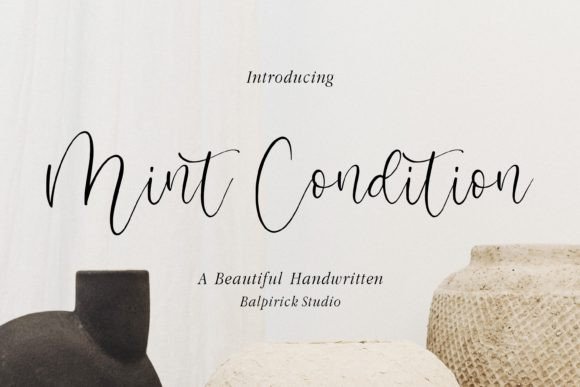
In a digital landscape saturated with generic sans-serifs and overused serifs, finding a typeface that feels both authentic and impactful is a genuine design challenge. The right font doesn't just display words; it conveys emotion, establishes tone, and builds an immediate connection with the viewer. For designers and creators seeking to inject personality and warmth into their projects, a script font like Mint Condition offers a compelling solution, blending modern handwritten style with professional versatility.
Understanding the Role of Authentic Typography in Branding
Typography is a cornerstone of visual communication. A carefully chosen typeface can elevate a brand identity from forgettable to iconic. While geometric fonts excel in clarity and authority, script fonts like Mint Condition are masters of storytelling. Their natural, organic flow mimics human handwriting, which psychologically triggers feelings of authenticity, care, and personal touch. This makes them invaluable for brands aiming to appear approachable, creative, or artisanal.
When evaluating a font for a branding project, consistency and readability are paramount. A font must be legible across various applications—from a website header to a small product label. Mint Condition is crafted with attention to detail, ensuring its unique character doesn't compromise its clarity. Its modern aesthetics allow it to integrate seamlessly into contemporary design trends while maintaining timeless appeal.
Practical Applications for a Stylish Script Font
The versatility of a well-designed script font is one of its greatest assets. Here’s how creative professionals can leverage a font like Mint Condition across diverse projects:
- Logo Design and Brand Identity: Use it as the primary logotype or a complementary accent font for a boutique, café, wedding stationery brand, or any business that values a personal connection.
- Marketing and Social Media Graphics: Create eye-catching headlines, quotes, or call-to-action elements in digital ads, Instagram stories, and Facebook posts that stand out in a fast-scrolling feed.
- Editorial and Web Design: Apply it to pull quotes, subheadings, or feature titles in magazines, blogs, and landing pages to add a layer of visual interest and break up blocks of text.
- Packaging and Print Design: Enhance product labels, gift tags, invitation suites, and merchandise with a handwritten feel that suggests quality and bespoke craftsmanship.
- Presentations and Digital Products: Design more engaging slide decks, e-book covers, or online course materials that reflect a creator's unique voice and style.
Integrating Typography into a Cohesive Design Workflow
Successfully incorporating a script font requires more than just placement; it demands thoughtful composition. Consider the following practical tips for your design workflow:
- Establish Visual Hierarchy: Use Mint Condition for headlines or key phrases to draw the eye, paired with a clean, neutral sans-serif for body copy to ensure optimal readability.
- Respect the Font's Character: Script fonts often have a strong personality. Ensure the surrounding color palette, imagery, and layout complement its style rather than compete with it.
- Test for Scalability: Always preview your design at multiple sizes. A font that looks stunning on a poster must also be decipherable on a mobile screen or a small business card.
- Consider Audience and Context: Align your typographic choice with audience expectations. A playful script might be perfect for a children's brand but less suitable for a corporate legal firm.
Ultimately, the power of a design asset lies in its ability to serve the project's core goals. Whether the aim is to evoke nostalgia, signal innovation, or simply communicate more effectively, the typography you choose is a critical decision. Investing in high-quality creative assets like a versatile script font empowers you to craft more nuanced, professional, and emotionally resonant visual narratives. By making deliberate choices about every element, from font selection to compositional balance, you transform design from mere decoration into powerful communication.